
The Math&Move project is an initiative aimed at combining the learning of mathematics with physical activity. This initiative is the result of a collaboration between educators and physical activity specialists seeking to introduce a new way of learning and understanding mathematics. After extensive research, these specialists have highlighted the benefits of movement during learning.
Initially, it is important to understand the Math&Move project to be able to implement it. The main idea behind this project is that the brain, our best friend in learning, can be stimulated in various ways, such as through movement. Movements have numerous virtues in learning because during physical exercise, the blood flow to our brain is optimized, which therefore leads to better interaction between the different cerebral regions and also increases our brain’s capabilities. In short, physical activity leads to better concentration, retention of information, and problem-solving abilities, allowing students to approach mathematics in a less traditional and more playful manner.
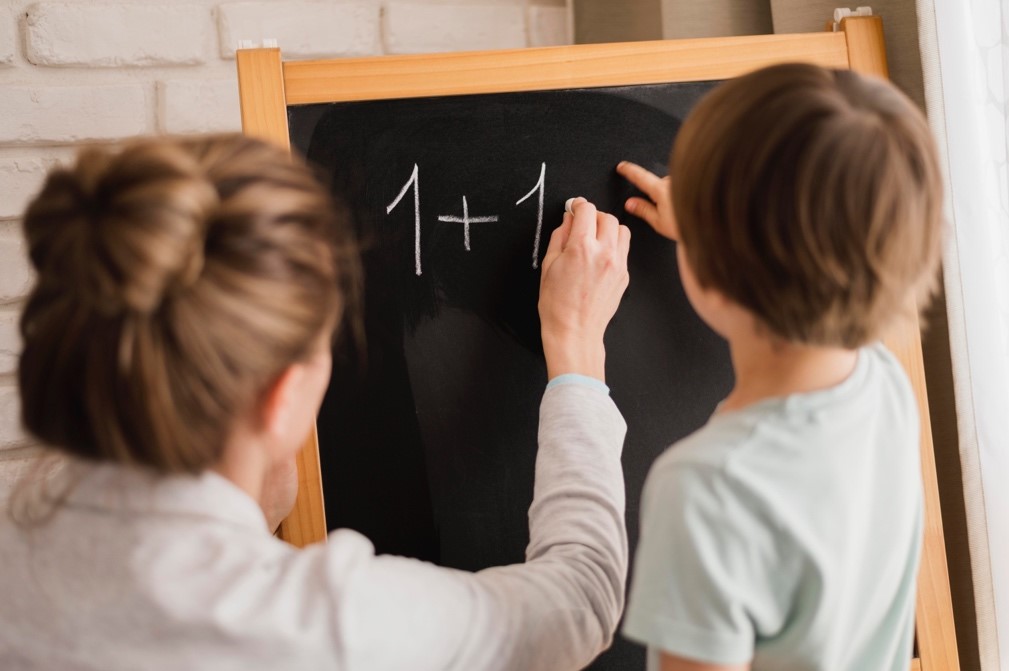
To meet this need, our project partnership has created 12 math activities for children for them to engage with mathematical concepts trought movement!
Two standout examples from our repertoire of 12 movement-based math lessons, include teaching young learners about “telling time” and “identifying units of measurement.” These concepts, while fundamental, can be abstract and somewhat intangible for young minds. Through our innovative approach, we bring these concepts to life, making them tangible and understandable through physical activity.
Read on to find out how!
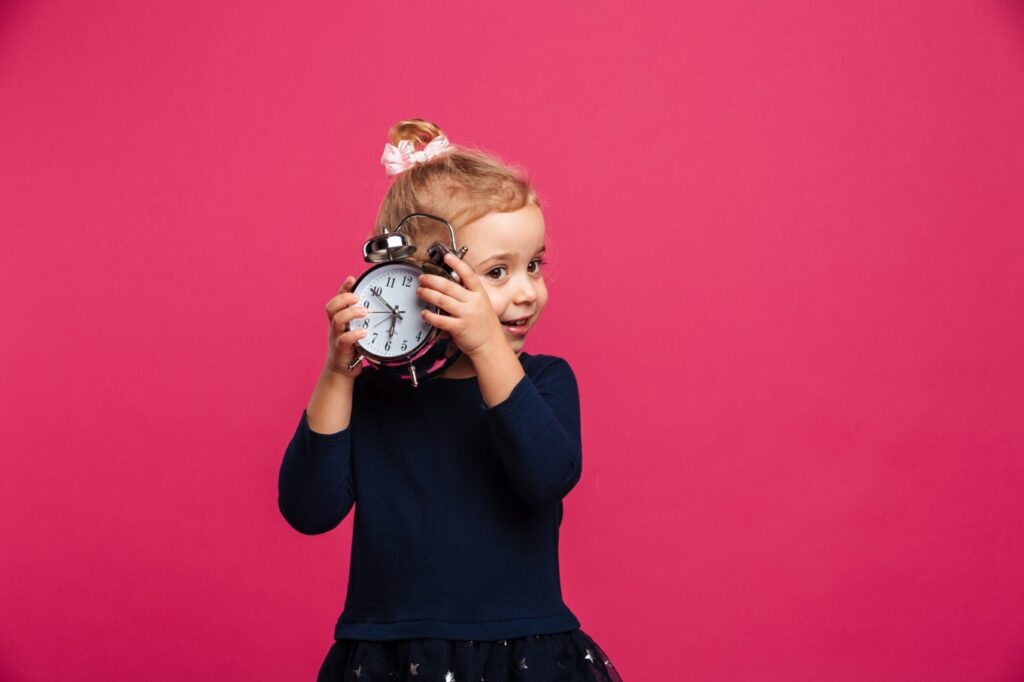
How can you use movement to tell time?
In our lesson on telling time, children engage in a lively activity where they imitate the hands of a clock. This not only helps them grasp the concept of time but also the spatial and physical representation of how hours and minutes are divided. By positioning themselves in various ‘times’ around a large clock drawn on the floor, learners can physically experience the movement of time, making the abstract concept of time more concrete and relatable.
How can you use movement to identify the length of objects?
Similarly, our lesson on units of measurement turns learners into live action measurement tools. Through activities such as jumping, reaching, and using their own feet to measure distances, students gain a practical understanding of length, height, and distance. This hands-on approach demystifies units of measurement, allowing students to internalise and relate these units to their own body and movements.
Each lesson on our website is designed with flexibility in mind, adaptable for older or younger children and inclusive of those with Specific Learning Disabilities (SLD). This inclusivity ensures that every child, regardless of their learning pace or style, can benefit from and enjoy learning math in a way that is best suited to them.
In essence, Math&Move exemplifies how education, particularly in the realm of mathematics, can transcend traditional methods. By incorporating physical activity into learning, we not only cater to the diverse needs of our learners but also promote a healthy, active lifestyle. As we continue to disseminate the successes and learnings from our project, we invite educators and parents to explore our website and incorporate these innovative lessons into their teaching repertoire.
If you’re interested in finding out more, you can check out all 12 of our movement-based math activities on our website here.