
Implementing European projects, such as those supported by the Erasmus+ programme, relies on multiple partners’ active collaboration and commitment from different countries. This dynamic of international cooperation is not only essential to the success of the projects but also the driving force behind them, enabling a wealth of teaching approaches and greater adaptation to the needs of learners. The Math&Move project is a prime example of this, demonstrating how a motivated and diverse consortium can transform how young people learn mathematics.
The strength of a diversified consortium
The Math&Move project, a two-year collaborative effort, brought together four partners from four different countries: the Arsakeio school in Patras, Greece; the Savremena school in Belgrade, Serbia; the Logopsycom organisation in Mons, Belgium; and the Fermat Science association in Beaumont-de-Lomagne, France. Each of these partners brought a unique and complementary expertise to the table, contributing to a collective reflection on the creation of educational resources adapted to the varied needs of pupils.
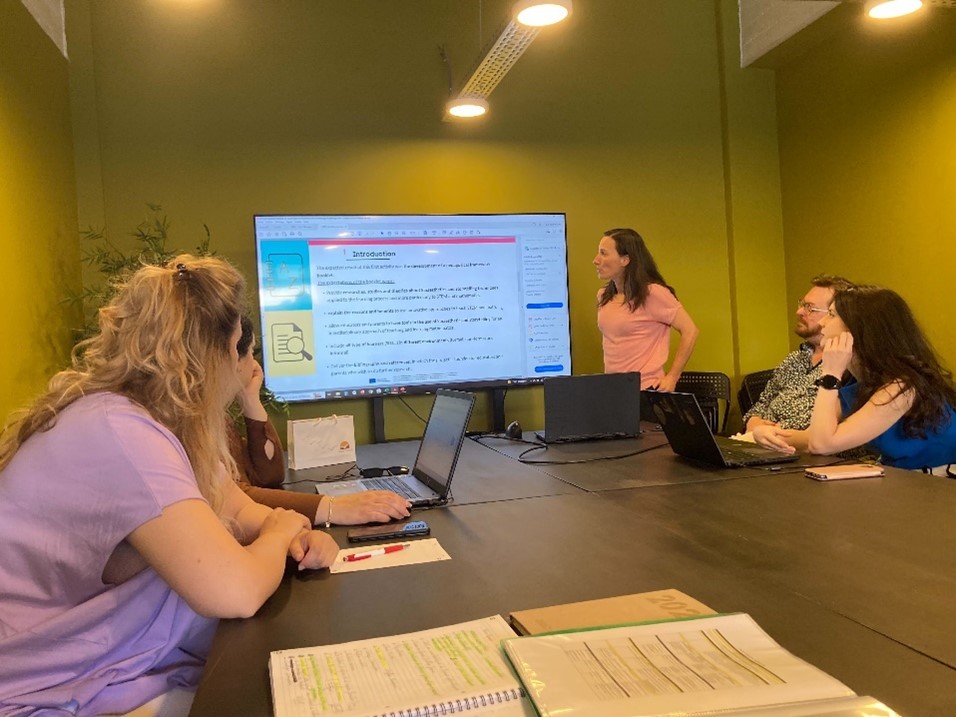
This partnership has made it possible to cross-fertilise the pedagogies specific to each educational system, thereby enriching the process of creating teaching tools. For example, the Greek and Serbian approaches, combined with innovative Belgian methods and French expertise in popularising science, have developed original and adequate educational resources. This pedagogical diversity is crucial, as it ensures that the tools created are relevant and universally applicable, considering cultural and educational differences and making everyone feel included in the learning process.
Learner inclusion: a significant asset
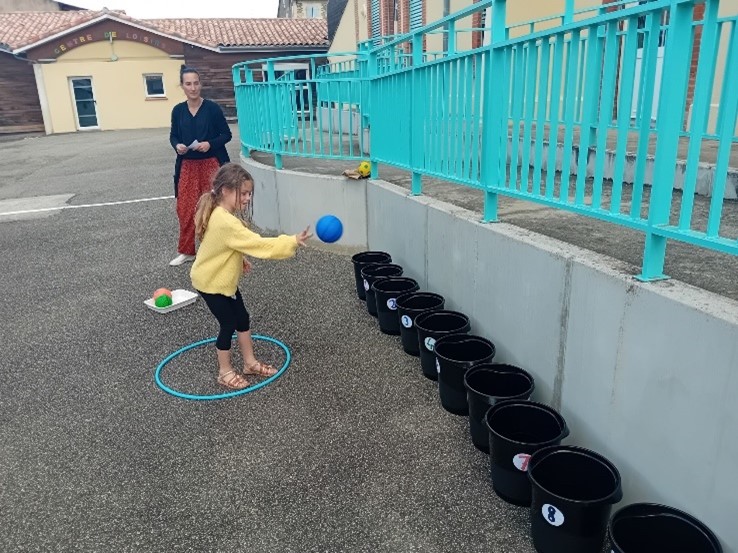
One of the great strengths of the Math&Move project has been its consideration of the diversity of learner profiles. By integrating pupils from different cultural and educational backgrounds, the project has been able to design truly inclusive resources. Every pupil, whatever their level, their specificities or the environment in which they are developing, can find in these tools a way of acquiring mathematical knowledge effectively while feeling motivated and valued.
This inclusive approach is fundamental to ensuring that learning mathematics becomes accessible to all and reduces educational inequalities and mathphobia. By taking into account the specific needs of each student, the resources developed as part of Math&Move promote more attractive, motivating, and sustainable learning.
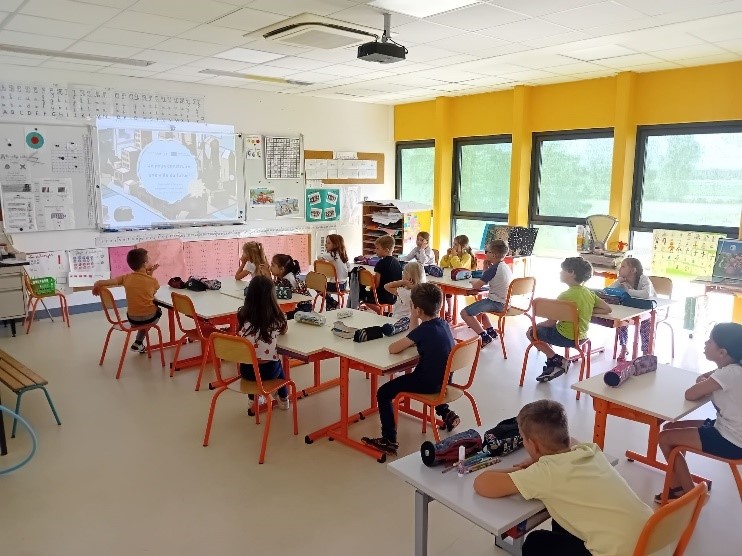
Active and dynamic collaboration
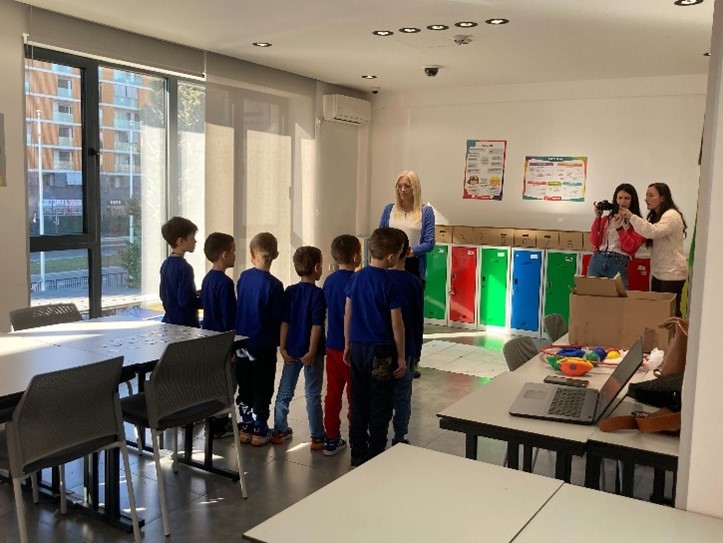
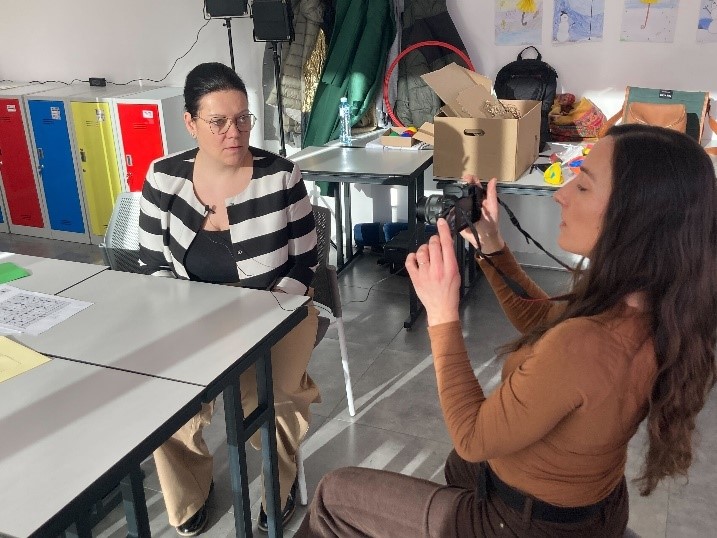
The success of Math&Move is also based on continuous communication between the partners. Daily remote exchanges and face-to-face working meetings have ensured regular monitoring of the project’s progress, solving any problems in real-time and maintaining constant motivation within the consortium.
In addition, each partner’s involvement in all phases of the project was a key factor in its success. Whether in the design of the teaching tools, their implementation, or the tests carried out with pupils, teachers, and parents, each played an active and decisive role. This teamwork not only helped to overcome the project’s challenges but also enriched the quality of the resources produced.
Towards a reinvented way of learning mathematics
Today, thanks to the commitment and dynamism of this transnational team, the Math&Move project is achieving its objective: to offer pupils high-quality teaching tools for more interactive and stimulating mathematics learning. These tools, designed to be attractive, durable and adaptable, represent a significant advance in the way mathematics is taught to the younger generation, giving them the keys to success in a field often perceived as complex.
In conclusion, the quality and involvement of the European partnership are powerful levers for the success of Erasmus+ projects. Not only does it make it possible to combine a wide range of expertise, but it also enables the creation of teaching resources that meet the needs of all learners, whatever their specific needs. The Math&Move project is proof of this, showing that well-orchestrated collaboration can produce remarkable results, benefiting European pupils and improving their learning.